Fort Lauderdale Waterfront Condo Types Explained
Salt air, skyline sunsets, and boats gliding by your balcony sound dreamy. Still, choosing the right Fort Lauderdale waterfront condo can feel confusing if you are comparing oceanfront, Intracoastal, riverfront, and canal-front buildings. You want the right mix of views, beach access, boating, and long-term costs without surprises.
In this guide, you will learn how each water type works in real life, what it means for amenities and ownership costs, and the key items to verify before you buy. You will leave with a clear framework to match your lifestyle and budget to the right building. Let’s dive in.
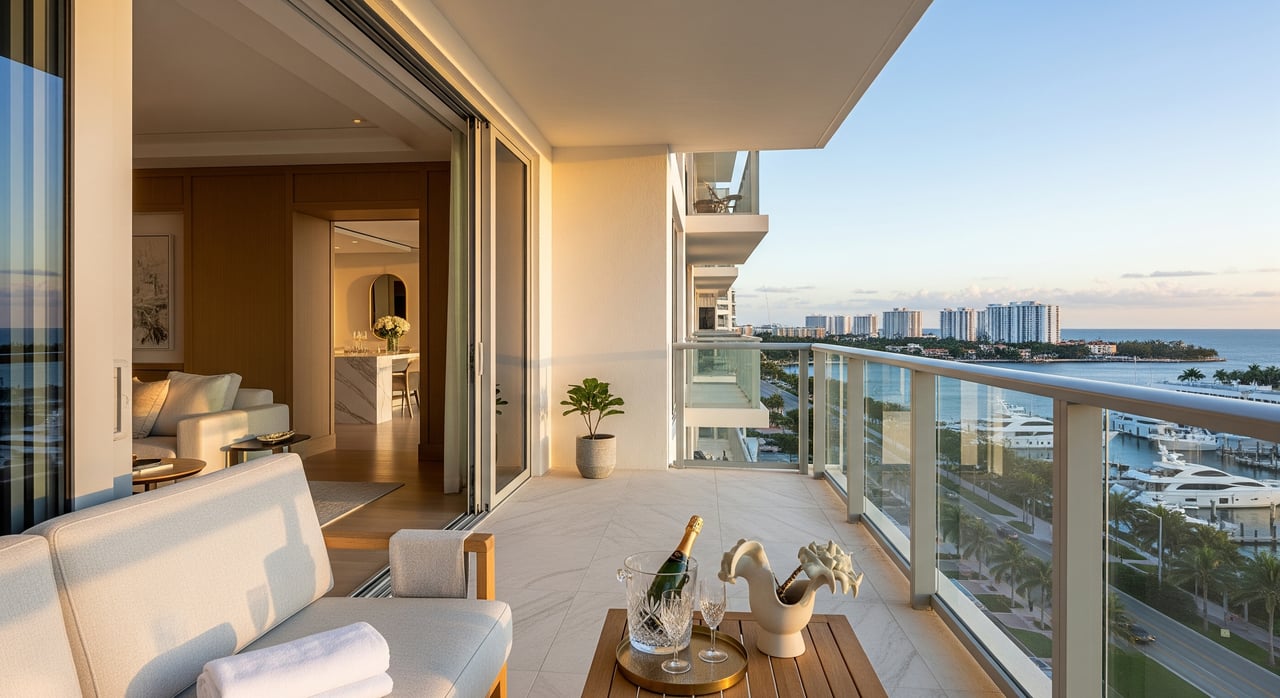
Oceanfront buildings sit on the Atlantic with direct beach frontage, most commonly along Fort Lauderdale Beach. You will see high-rise towers with resort-style amenities, beach paths, and a public promenade. Views are wide open, and exposure to wind, salt, and storm surge is higher than other water types.
If you are a boater, note that private deepwater slips are rare at oceanfront condos. Owners typically keep boats at nearby marinas on the Intracoastal and access the ocean through inlets. Oceanfront living focuses on beach access and views, not on-site dockage.
Lifestyle highlights include immediate sand access, ocean-facing pools and gyms, and a strong resort feel. Tradeoffs include more tourist activity, higher exposure-related maintenance, and typically higher insurance and HOA fees for full-service amenities.
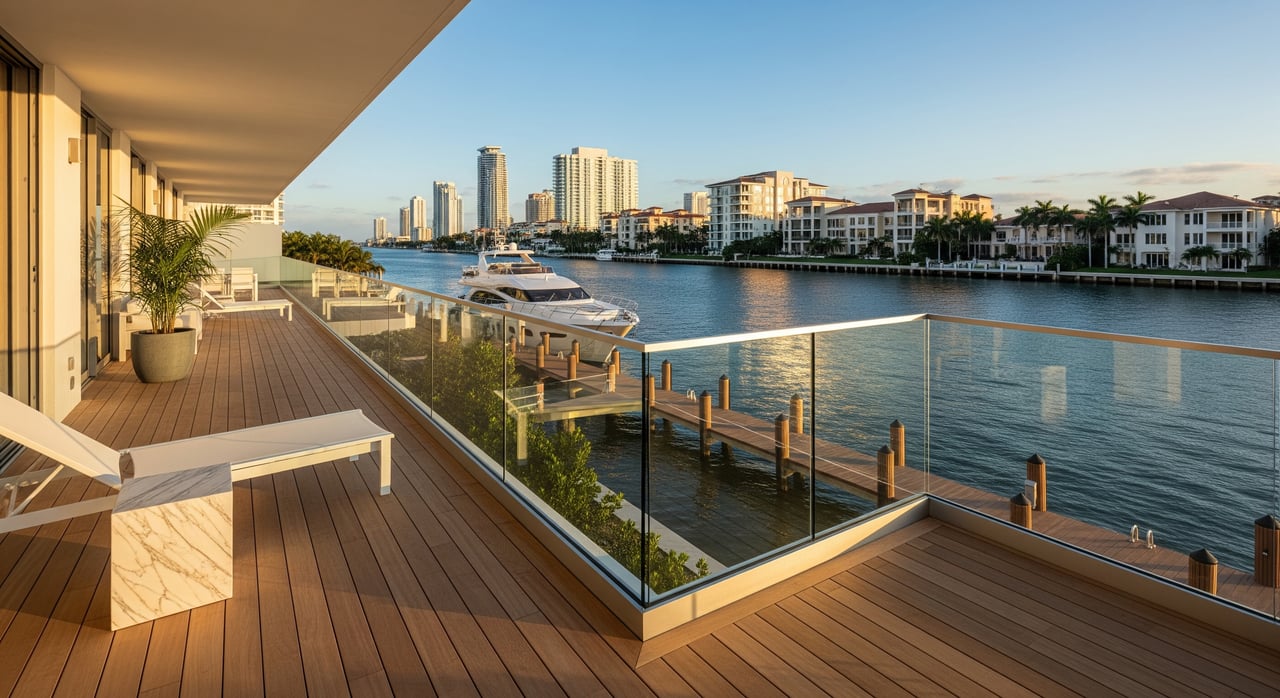
Intracoastal-front buildings sit on the protected Atlantic Intracoastal Waterway, with calmer water, broad vistas, and active marine traffic. Many mid to high-rise buildings include on-site marinas with deeded or assigned slips, and some maintain fuel or pump-out access nearby.
For boat owners, the ICW is often the sweet spot. You can run north-south in protected waters and reach the ocean through nearby inlets. Expect some wake noise and marina activity, and plan for HOA fees that reflect staffed marina operations, dredging reserves, and dock maintenance.
The everyday experience is a front-row seat to yachts, cruisers, and water taxis. If you need a slip, verify whether it is deeded to the unit, assigned by the HOA, or waitlisted, and confirm slip size, depth, and bridge clearances for your vessel.
Riverfront condos line the New River near Las Olas and downtown. Buildings are often low to mid-rise with a boutique feel and proximity to Riverwalk, restaurants, and cultural spots. Views tend to be more intimate and urban than the open ICW, and you will see bridges and promenades rather than open horizon.
Boating works well for smaller boats and dayboats, but bridge openings and navigation channels matter. Slip availability is more limited than major ICW marinas, so confirm options early if a boat is part of your plan. You trade some open-water views for walkability and downtown access.
Ownership costs vary by building age and amenity level. Consider potential noise from bridges and traffic, and review HOA policies on docks, transient moorage, and guest rules.
Canal-front buildings sit on smaller residential canals in neighborhoods like Las Olas Isles, Rio Vista, and Coral Ridge. Expect low-rise condos or townhomes with private seawalls, intimate water views, and a quieter neighborhood feel. Wave action is minimal, but water depth and width can vary a lot.
Boating is possible, but boat size and clearance are the swing factors. Many owners use lifts or smaller slips for center consoles and runabouts. Access to the ICW and ocean depends on dredging history and bridge clearance, so always verify before you buy.
Canal-front condos can be more affordable than oceanfront or prime ICW towers, though neighborhood prestige and slip size can raise values. Your best approach is to evaluate canal depth, access, and recent capital projects alongside the building’s condition.
Waterfront condos deserve extra diligence. Use this checklist to protect your downside and confirm value:
Quick path to decision:
Resale value benefits from clear water views, strong marina programs, solid HOA reserves, and visible resilience measures such as impact glass and well-maintained seawalls. Elevation and local flood mitigation projects matter for long-term risk and financing.
Fort Lauderdale’s boating culture is a major draw, highlighted each year by its international boat show and an extensive marina network. That demand supports values for properties with quality dockage and good navigation access. It also means slips sized for larger vessels remain scarce.
Local planning focuses on flood risk, sea level rise, and stormwater improvements. Many waterfront properties sit in FEMA flood zones, which affects insurance and lending. When you compare buildings, look at elevation, garage and pump systems, and the community’s resilience projects.
Waterfront construction and maintenance often require permits from local and state agencies. Seawalls, docks, lifts, and dredging can be complex and costly, and not every canal is easy to dredge. Short-term rental rules vary by city ordinance and HOA policy, and boaters must follow local wake and speed rules for safety and neighbor relations.
If you are comparing units across oceanfront, Intracoastal, river, and canal locations, use the checklist above to narrow your shortlist. Align lifestyle goals with the practical realities of dockage, depth, bridge clearance, insurance, and HOA strength. Bring any specific building to a detailed review of reserves, assessments, and marine infrastructure before you make an offer.
If you want a curated shortlist and a clear plan for diligence, connect with Josh Adler. Let’s match the right water, building, and floor plan to your life and investment goals.
Stay up to date on the latest real estate trends.
With a proven track record and unmatched expertise in luxury real estate, we are here to elevate your experience. Josh’s commitment and knowledge will exceed your expectations at every step. Reach out to Josh today and start your journey through buying and selling with confidence.